


Lizzi Farrell-Humphrey takes a look at arthritis and some options available to help reduce symptoms.
Take the first step toward better health
Arthritis in Older Adults & How to Manage Symptoms
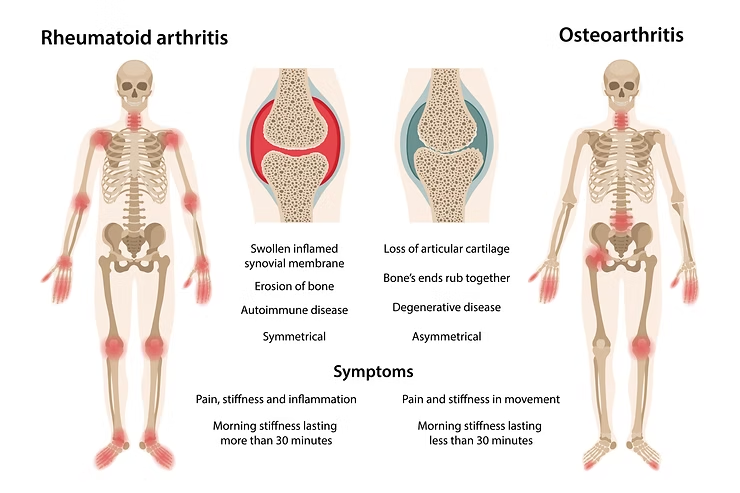
Arthritis is a painful condition that affects many people in the UK. As well as causing pain it can cause stiffness and difficulty with movement. Activities such as walking or climbing stairs can become difficult and uncomfortable. However, exercise can help to reduce these symptoms, as well as improving joint mobility.
Managing arthritis
Physiotherapy is a great way to get started with exercise if you have arthritis. There is no one-size-fits-all answer to managing arthritis. A physiotherapist can create a tailored exercise programme that is suited to your needs and abilities. They can also provide tips on how to safely exercise with arthritis.
Education into the self-management of pain is also important for patients ie advising on use of modalities such as heat and ice, relaxation techniques and coping strategies. There are many different types of exercise that can help arthritis, such as aerobic exercise, strength training, and stretching. It’s important to find an exercise routine that you enjoy and can stick to. Regular exercise will help to improve your overall health and wellbeing, as well as reducing the symptoms of pain and inflammation associated with arthritis. So, why not give it a go? You may be surprised at how much exercise can help improve your quality of life.
Here are some simple exercises that can help with arthritis
Walking
Walking is one of the simplest and most accessible forms of exercise, making it an excellent choice for people with arthritis. A daily brisk walk can help improve cardiovascular health, maintain a healthy weight, and boost your mood. More importantly, walking encourages gentle movement of the joints, which can help reduce stiffness and discomfort. Over time, regular walking may also help strengthen the muscles that support your joints, improve balance, and increase overall mobility. Start with short distances and build up gradually, choosing flat, even surfaces and supportive footwear to reduce strain on your joints.
Swimming
Swimming and water-based exercises are ideal for individuals with arthritis because the buoyancy of the water supports your body and reduces stress on joints. This low-impact activity allows you to move freely without the jarring effects of land-based exercises. Swimming laps, doing water aerobics, or even walking in the pool can help increase your heart rate, stretch your muscles, and improve joint flexibility. Warm water pools can be especially soothing for stiff or inflamed joints, and many community centres offer arthritis-friendly swim sessions or aqua therapy classes.
Yoga
Yoga combines gentle physical movements with breathing and mindfulness techniques, offering both physical and mental benefits for people with arthritis. The slow, controlled poses in yoga help stretch and strengthen muscles, which can reduce joint pain and improve mobility. Yoga can also promote better posture, balance, and coordination. For individuals with arthritis, specific styles such as Hatha or restorative yoga are often recommended, as they focus on slower, more deliberate movements. It’s a good idea to look for classes or instructors who are experienced in working with people with joint issues to ensure the practice is safe and effective.
Pilates
Pilates focuses on controlled movements and core strength, which can be particularly beneficial for those managing arthritis. By strengthening the muscles that support your joints—especially around the hips, knees, and back—Pilates can help improve stability and reduce joint strain. Flexibility is another key benefit, as the exercises often include stretching components that help keep the joints mobile and supple. Many Pilates routines can be modified to accommodate different mobility levels, and working with an instructor trained in rehabilitation or arthritis-friendly methods can help tailor the sessions to your specific needs.
Physiotherapy
If you’re unsure about starting an exercise routine or are experiencing significant joint pain, physiotherapy can be an excellent first step. A qualified physiotherapist will assess your individual condition and develop a personalised exercise programme to help strengthen muscles, increase joint flexibility, and reduce pain. They can also provide hands-on treatment techniques, advice on posture and movement, and recommend assistive devices if needed. Physiotherapy offers a structured and supportive way to safely improve your physical function and confidence, particularly if self-guided exercise feels overwhelming.
Physiotherapists can prescribe specific exercise programmes
Physiotherapy can play a key role in helping people with arthritis to exercise safely and effectively. Physiotherapists can prescribe specific exercise programmes and can provide advice on how to reduce pain and inflammation. They can also help people to adapt their activities of daily living to make them more arthritis-friendly.
Strength training is particularly important for people with arthritis. Strength training can help improve joint stability and muscle strength, which can help to reduce pain and inflammation. A physiotherapist can help you to design a strength training programme that is safe and effective for you.
Range of movement exercises are also important for people with arthritis. These exercises can help to keep the joints flexible and improve overall range of motion. A physiotherapist can help you to find the right range of movement exercises for you, and can provide tips on how to make these exercises more effective.
If you have arthritis, it is important to talk to your physiotherapist about the best way to include exercise in your daily routine. Exercising regularly is an important part of managing arthritis, and physiotherapy can help you to exercise safely.
If you have arthritis and are looking for more information on exercise and physiotherapy, please contact The Well Balanced Centre for an initial assessment.
We would be happy to help you get started on the right path to better health.
Article Phoenix
The benefits of physical activity for older adults are profound, encompassing improvements in physical health, cognitive function, and mental well-being. Physiotherapists play an essential role in facilitating these benefits through personalized exercise programs, education, and support. By encouraging regular physical activity, we can help older adults maintain independence, enhance their quality of life, and enjoy a healthier, more fulfilling aging process.
